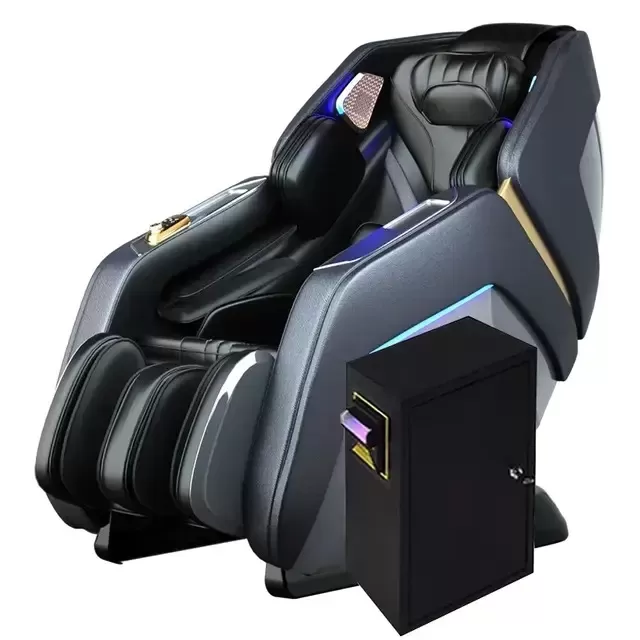

The global demand for portable ergonomic wellness products is shifting rapidly. Buyers preparing their product catalogs for 2026 face an evolving market where home comfort and vehicle interiors overlap. Today, end-users expect a reliable seat massager to work just as well in an office chair as it does in an SUV cockpit.
However, B2B procurement managers face persistent operational headaches. Sourcing missteps frequently lead to high customer return rates caused by noisy gearboxes, burnt-out motors, and delayed customs clearances due to missing certifications. Worse, dealing with commercial middlemen inflates your unit costs while shielding you from real production capabilities.
Working with specialized manufacturing partners like Jingtuo allows brands to avoid these supply pitfalls early. If you want to build a profitable product line, optimize development cycles, and safeguard your brand reputation, this B2B sourcing guide 2026 outlines the seven essential criteria you must evaluate before issuing your next purchase order.
Need an immediate feasibility assessment for your custom seat massager project? Contact our engineering team today to review your CAD files and bill of materials.
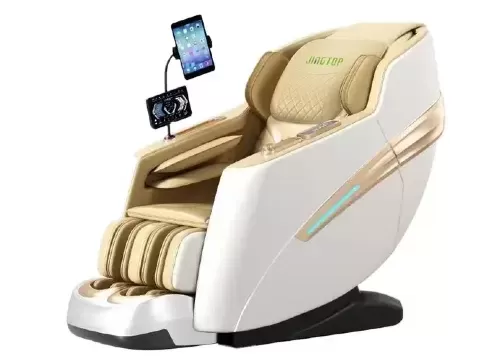
1. Inspect Core Mechanisms and Motor Construction
A massager is only as dependable as its driving motor. When dealing with a seat massager OEM partner, your first technical check must focus on the motor topology and internal gearbox construction. Low-tier factories cut costs by using cheap, brushed DC motors fitted with soft plastic gears. These units typically fail within 200 hours of continuous use.
For modern retail channels, aim for brushless DC (BLDC) motors or heavy-duty copper-wound motors. BLDC motors deliver three distinct advantages: they generate minimal operating heat, offer three times the operational lifespan of brushed alternatives, and run smoothly under heavy physical loads.
Acoustic Thresholds: Modern consumers reject loud wellness devices. Specify an operational noise ceiling of ≤45 dB at maximum load during factory acceptance tests.
Thermal Run-Up Tests: Request 4-hour continuous load-bearing data. Motor surface temperatures must stabilize without degrading internal lubricant or melting gear housings.
Burn-In Standards: Ensure your ODM chair massage cushion supplier subjects every mechanism batch to a minimum 72-hour automated burn-in cycle before final enclosure assembly.
Always demand an exploded view of the massage carriage. Machined POM (polyoxymethylene) gears or reinforced nylon gear trains consistently outlast cheap recycled plastics, drastically reducing warranty claim rates.
2. Integrate 2026 Heating and Ergonomic Technologies
Heating elements have evolved beyond conventional resistive wire grids. Wire heaters produce uneven hotspots, introduce potential fire hazards, and break down quickly under repeated seated pressure. When negotiating specs with a custom car seat massager manufacturer, demand modern graphene far-infrared (FIR) heating films.
Graphene conducts thermal energy evenly across the lower lumbar region within 5 to 10 seconds. Moreover, FIR emission penetrates muscle tissue more effectively than surface heat alone, giving your marketing team a proven, scientifically validated selling angle.
Next-generation designs also combine mechanical node systems with dynamic air compression. While mechanical nodes target the upper and middle back, dynamic side-bolster airbags stabilize the user's posture. This mimics professional massage techniques without adding excessive weight or bulk to the cushion.
Multi-Chamber Air Control: Source cushions built with independent micro-valves that inflate multiple airbags sequentially rather than all at once.
Zoned Temperature Regulation: Require custom PCB programming that allows independent temperature adjustments for the lumbar and seat base areas.
Pressure-Sensing Auto-Shutoff: Integrate smart sensors into the seat pan that automatically suspend operation when the user stands up, preserving energy and motor life.
3. Enforce International Compliance and Safety Certifications
A beautifully engineered wholesale seat massager is worthless if customs authorities seize your shipping container. Certification protocols differ fundamentally between consumer electronics and automotive-installed accessories. Verify that your manufacturing partner holds genuine, verifiable test documentation matching their specific corporate entity.
For North American distribution, electrical safety is your primary legal risk. The internal power converter and the complete finished unit require ETL or UL marks. Selling on platforms like Amazon without traceable UL 1647 or UL 2089 test reports risks sudden listing suspensions. If you distribute in California, verify third-party lab documentation for Prop 65 heavy metals and phthalates.
European distribution requires CE-LVD, CE-EMC, and complete RoHS and REACH material declarations. If your product plugs into a vehicle's 12V auxiliary port, you must also obtain an automotive E-mark (such as ECE R10). This certification confirms that the internal motors do not generate electromagnetic interference that disrupts critical vehicle safety sensors.
Finally, confirm if target markets classify deep-tissue shiatsu units as class II medical devices. Navigating FDA 510(k) clearances or European MDR declarations demands clean traceability. Reputable suppliers like Jingtuo maintain accessible compliance registries so B2B buyers can verify test numbers against official laboratory databases.
4. Demand Automotive-Grade Materials and Flame Retardancy
A portable seat massager operates in punishing environments. Inside a locked car parked under direct summer sunlight, cabin temperatures can easily exceed 65°C (149°F). At the same time, continuous physical friction from users shifting their body weight wears down low-grade surface materials.
Never accept generic commercial synthetic leathers without documented stress testing. Specify high-grade, solvent-free PU leather engineered to resist hydrolysis for 3 to 5 years. Hydrolysis resistance stops surface peeling, cracking, and sticky resin degradation in humid, hot climates.
Flame Retardancy: Materials must comply with FMVSS 302 (Federal Motor Vehicle Safety Standard) or ISO 3795 to guarantee burn-rate resistance within vehicles.
Structural Mesh: High-stress contact points require 3-layer, high-tensile sandwich mesh fabric that resists tearing during deep roller rotation.
UV Stabilization: Request anti-UV material additives to stop synthetic fabrics from discoloring or turning brittle after long-term exposure on vehicle seats.
Review the supplier's incoming quality control (IQC) testing procedures. Trustworthy factories maintain internal Taber abrasion testers to evaluate fabric samples for at least 20,000 to 50,000 friction cycles before issuing production sign-offs.
5. Adopt Universal USB-C PD and Dual-Voltage Power Architecture
Bulky, proprietary AC/DC adapters are quickly becoming obsolete. Moving into 2026, consumer preference strongly favors streamlined, standardized power connections. Upgrading your OEM seat massager lineup to USB Power Delivery (USB-C PD) protocols immediately creates a major market advantage.
USB-C PD integration allows end-users to power their massage cushion using their laptop chargers, commercial power banks, or modern vehicle console ports. This removes the logistical expense of packing heavy wall transformers inside your retail packaging, saving weight and cutting international freight costs.
If your design still requires dedicated vehicle power cables, insist on smart dual-voltage circuitry. A 12V/24V auto-sensing PCB allows the device to function seamlessly inside passenger sedans, delivery vans, and commercial 24V haulage trucks without blowing internal safety fuses.
Ensure that the electronic design includes robust protection against load dumps and reverse polarity. Commercial vehicles frequently create electrical voltage spikes during engine starts. Without adequate suppression diodes on the internal circuit board, these surges will short-circuit your controller immediately.
6. Evaluate ODM Tooling and Private Mold Capabilities
Relying on generic public molds leaves your business vulnerable to price wars. The moment a standard wholesale seat massager succeeds on digital retail channels, competing brands launch identical copies with slashed prices. To build enterprise value, partner with an ODM factory capable of delivering distinctive industrial designs and custom mechanical packaging.
Assess your supplier's in-house engineering team. Can their structural engineers take an aesthetic industrial concept sketch and build functional DFM (Design for Manufacturing) CAD files within two weeks? Do they have dedicated 3D-printing facilities to evaluate spatial clearances and roller pathways before cutting hard steel tooling?
Tooling Lead Times: Professional factories deliver T1 physical injection samples within 35 to 45 business days from final 3D file freeze.
Tooling Steel Selection: Ensure injection molds use NAK80 or H13 hardened steel rather than cheaper aluminum alloys to guarantee tool life across 300,000 to 500,000 cycles.
Exclusivity Agreements: Establish clear contractual terms regarding regional sales exclusivity and verify exact minimum order commitments (MOQs) needed to amortize mold costs.
Protecting intellectual property is essential. Reliable manufacturers will readily sign bilateral Non-Disclosure Agreements (NDAs) that contain clear financial penalties for unauthorized designs, and they will agree to assign full ownership of custom injection tools upon final payment.
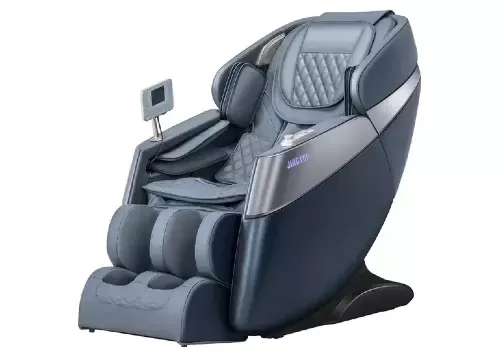
7. Audit Factory SMT Lines, QC Systems, and AQL Limits
Never rely solely on glossy brochures or online videos when selecting a long-term production partner. Many trading companies pose as direct manufacturers by renting small assembly spaces. True manufacturing resilience requires deep control over the underlying electronics and mechanical sub-assemblies.
Conduct a thorough seat massager factory audit, either in person or via accredited third-party inspection firms such as SGS, TÜV, or Bureau Veritas. Check if the factory holds ISO 9001 or automotive-grade IATF 16949 certifications. Pay close attention to their printed circuit board assembly: factories that operate their own surface-mount technology (SMT) lines maintain far better quality control than competitors that outsource bare boards to low-cost subcontractors.
Drop and Packaging Testing: Verify that the packaging design passes ISTA-1A drop, crush, and random vibration standards to prevent transit damage in courier networks.
Contractual AQL Standards: Establish a strict Acceptable Quality Limit in your purchase contract (AQL 1.0 for critical defects, AQL 1.5 for major functional flaws, and AQL 4.0 for minor cosmetic flaws).
Defect Penalty Clauses: Include specific contractual clauses requiring direct supplier compensation or production offsets if batch failure rates exceed 2% upon container arrival.
Review the factory's functional testing protocol at the end of the line. Every single finished seat massager must run through an automated testing jig that checks motor torque, current draw, heat curve performance, and button responses before packaging.
Frequently Asked Questions
Q1: What is the typical MOQ for custom OEM seat massager
manufacturing?
A1: Minimum order quantities vary based on
customization levels. Off-the-shelf public mold units with custom silk-screen
logos generally start at 500 pieces. Full custom colorways, bespoke upholstery
fabrics, and tailored retail packaging typically require an MOQ of 1,000 to
2,000 units. Projects involving brand-new private plastic injection molds
typically demand 3,000 to 5,000 units across scheduled production runs.
Q2: How do BLDC motors compare to brushed motors in everyday seat
massager applications?
A2: Brushed motors rely on physical carbon
brushes to transfer electrical current, creating internal friction, heat, and
carbon dust that degrades motor lifespan to roughly 200 to 500 hours. Brushless
DC (BLDC) motors use electronic commutators, generating almost zero mechanical
friction. This extends motor life past 2,000 hours, cuts operating noise by 10
to 15 dB, and draws less power from the host vehicle.
Q3: Why is FMVSS 302 certification essential for massagers used
inside passenger cars?
A3: FMVSS 302 is the federal automotive
standard governing the burn resistance of interior cabin materials. When
consumers strap an aftermarket seat massager into a car, it forms part of the
passenger seating system. If an electrical short occurs, non-certified materials
can catch fire quickly. Verified FMVSS 302 compliance confirms that the
product's foam, leather, and mesh self-extinguish or burn below specified
rates.
Q4: Can a single seat massager model pass both automotive and
consumer household safety audits?
A4: Yes, provided the manufacturer
integrates dual-voltage circuit designs and holds parallel certifications. The
primary hurdle involves electromagnetic compatibility (EMC) and power
regulation. The device must carry CE/FCC certifications for household use along
with E-mark (ECE R10) testing for automotive electrical environments. The power
system must also run safely on 100-240V AC adapters as well as 12V/24V DC
auxiliary sockets.
Q5: What are the primary warning signs during a seat massager factory
audit?
A5: Major red flags include outsourced PCB soldering, the
absence of cleanroom-level SMT environments, a missing sound-isolated chamber
for decibel testing, and unorganized raw material warehouses lacking lot
numbers. If a supplier refuses to open their motor aging racks or cannot show
real-time torque-testing data, they are likely outsourcing their core assemblies
to unvetted downstream workshops.
Build Your 2026 Product Line With Confidence
Succeeding in the competitive wellness and automotive accessory markets demands uncompromising manufacturing standards. Winning brands avoid cutting corners on motor mechanics, fire-safe textiles, and genuine compliance frameworks. Sourcing directly from proven manufacturing facilities like Jingtuo gives your business access to cutting-edge graphene heating, whisper-quiet motor assemblies, and dependable international delivery schedules.
Take direct control of your supply chain well ahead of the 2026 retail cycle. Protect your operating margins and brand equity by partnering with an engineering-first production team built for global scale.
Ready to elevate your wellness and automotive catalog? Contact the Jingtuo OEM/ODM sourcing team today to request our comprehensive 2026 Product Spec Sheets, factory audit schedules, or an immediate engineering quote for your custom prototype.
.webp "What Makes the Best Foot Bath Massager in 2026? 5 Quality Standards from an Industry OEM")