

Introduction: The Rapid Growth of the Wellness Industry
The global wellness industry has expanded dramatically over the past decade, driven by increasing awareness of health, stress management, and preventive care. Consumers are no longer waiting for medical treatment—they are proactively investing in wellness services.
As a result, wellness businesses such as spas, rehabilitation centers, physiotherapy clinics, and fitness studios are experiencing strong growth. At the core of these businesses lies one critical factor: professional massage equipment.
Understanding Professional Massage Equipment for Wellness Businesses is essential for entrepreneurs, investors, and distributors who want to succeed in this competitive and fast-growing industry. Manufacturers like Fujian Jingtuo Health Technology are supporting this demand with high-quality massage equipment solutions designed for global markets.
This comprehensive guide explores equipment types, benefits, investment considerations, and market trends to help you build or expand a successful wellness business.
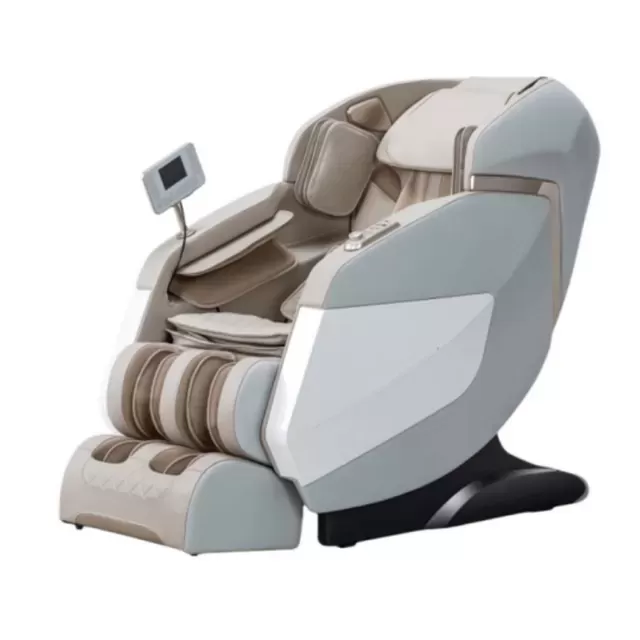
.webp?t=1780119029007 "Best Price Electric Heated Full Body Wholesale Zero Gravity Massage Chair (1)")
What is Professional Massage Equipment?
Professional massage equipment refers to devices and systems designed for commercial use in wellness environments. These products are built to withstand frequent use while delivering consistent performance.
Key Characteristics
High durability
Advanced functionality
Ergonomic design
Compliance with international standards
Unlike consumer-grade devices, professional equipment is engineered for long-term reliability and efficiency.
Types of Professional Massage Equipment
1. Massage Chairs
Massage chairs are one of the most popular types of professional equipment. They provide full-body massage and are widely used in:
Spas
Shopping malls
Airports
Wellness centers
Advanced models include features such as body scanning, zero-gravity positioning, and multi-program massage modes.
2. Massage Beds and Tables
Massage beds are essential for therapists providing manual or assisted treatments.
Features include:
Adjustable height
Comfortable cushioning
Stability and durability
3. Foot Massagers
Foot massagers are commonly used as complementary equipment in wellness centers.
They provide targeted therapy and improve circulation, making them ideal for relaxation zones.
4. Shoulder and Neck Massagers
Compact devices designed for targeted relief, often used in quick-service massage environments.
5. Physiotherapy Equipment
Includes advanced devices used for rehabilitation and recovery, such as electrotherapy machines and muscle stimulators.
Benefits of Professional Massage Equipment
1. Improved Customer Satisfaction
High-quality equipment enhances the customer experience, leading to repeat business and positive reviews.
2. Increased Revenue Potential
Offering advanced massage services allows businesses to charge premium prices.
3. Operational Efficiency
Automated equipment reduces reliance on manual labor, improving efficiency.
4. Scalability
Professional equipment enables businesses to serve more customers simultaneously.
5. Brand Positioning
Investing in high-quality equipment enhances brand perception and competitiveness.
Applications in Wellness Businesses
Spa and Wellness Centers
Massage equipment is the foundation of spa services, providing relaxation and therapeutic treatments.
Physiotherapy Clinics
Used for rehabilitation and recovery, helping patients regain mobility and strength.
Fitness Centers
Massage equipment supports muscle recovery and injury prevention.
Hospitality Industry
Hotels and resorts use massage equipment to enhance guest experience.
Technology Trends in Professional Massage Equipment
Smart and Connected Devices
Modern equipment includes features such as:
App control
Data tracking
Personalized programs
AI Integration
Artificial intelligence is being used to analyze user data and optimize massage routines.
Energy Efficiency
Manufacturers are focusing on reducing energy consumption while maintaining performance.
Compact and Modular Designs
Space-saving designs are becoming increasingly popular in urban environments.
Investment Considerations for Buyers
Initial Investment
Professional equipment requires higher upfront costs compared to consumer products, but offers long-term returns.
Return on Investment (ROI)
Revenue generated from services can quickly offset initial costs.
Maintenance and Durability
Choosing reliable equipment reduces maintenance costs and downtime.
Supplier Selection
Working with experienced manufacturers ensures product quality and supply stability.
Manufacturers like Fujian Jingtuo Health Technology provide consistent quality and global shipping support through their wellness equipment range.
Comparison: Professional vs Consumer Massage Equipment
Feature | Professional Equipment | Consumer Equipment |
|---|---|---|
Durability | High | Moderate |
Price | Higher | Lower |
Performance | Advanced | Basic |
Usage | Commercial | Personal |
Professional equipment is designed for continuous use, making it ideal for business environments.
Market Trends in 2026 and Beyond
Growth of Wellness Tourism
Travelers are increasingly seeking wellness experiences, boosting demand for high-quality equipment.
Expansion of Home Wellness
While commercial demand is strong, home wellness trends are also influencing product design.
Increasing Health Awareness
Consumers are prioritizing preventive healthcare, driving industry growth.
Emerging Markets
Regions such as Asia, the Middle East, and Latin America are experiencing rapid expansion.
How to Choose the Right Equipment for Your Business
1. Define Your Target Market
Understand your customer base and their needs.
2. Evaluate Product Features
Choose equipment that offers advanced functionality and user comfort.
3. Consider Space Requirements
Ensure the equipment fits your business environment.
4. Check Certifications
Compliance with international standards is essential for safety and credibility.
5. Partner with Reliable Suppliers
Working with experienced manufacturers ensures consistent quality and support.
Operational Tips for Wellness Businesses
Optimize Layout
Arrange equipment to maximize space and efficiency.
Train Staff
Ensure employees understand how to operate equipment effectively.
Maintain Equipment
Regular maintenance extends product lifespan and ensures performance.
Monitor Customer Feedback
Use feedback to improve services and equipment selection.
FAQs
1. What is professional massage equipment?
Equipment designed for commercial wellness use.
2. Is it worth investing in?
Yes, due to high ROI potential.
3. How long does equipment last?
Typically several years with proper maintenance.
4. What businesses need this equipment?
Spas, clinics, hotels, and fitness centers.
5. Is certification important?
Yes, for safety and compliance.
6. Can equipment be customized?
Yes, many manufacturers offer OEM/ODM services.
Conclusion: Building a Successful Wellness Business
The insights in Professional Massage Equipment for Wellness Businesses highlight the importance of investing in high-quality equipment to achieve long-term success.
As the wellness industry continues to grow, businesses that prioritize quality, innovation, and customer experience will have a significant competitive advantage. Professional massage equipment is not just a tool—it is a strategic investment that drives growth, efficiency, and customer satisfaction.
.webp "OEM/ODM Sourcing Guide: How to Choose a Reliable Vibrating Back Massager Manufacturer")
.webp "The Best Thigh Massager You Can Buy: Top-Rated Air Compression Devices Reviewed")
.webp "The Future of Leg Air Compression: 2026 Trends in Smart Massage Device Manufacturing")