

The convergence of automated self-service infrastructure and therapeutic wellness has transformed public and semi-public transit hubs into high-yield, micro-real-estate assets. Within this landscape, deploying automated public recovery devices requires a granular understanding of mechanical engineering, telemetry protocols, power conversion, and wear-layer endurance. Procuring a reliable vending massage chair for sale demands far more than surface-level aesthetic evaluations; enterprise operators must audit internal drive systems, payment terminal latency, and structural metallurgy to ensure multi-year operational viability under heavy utilization cycles.
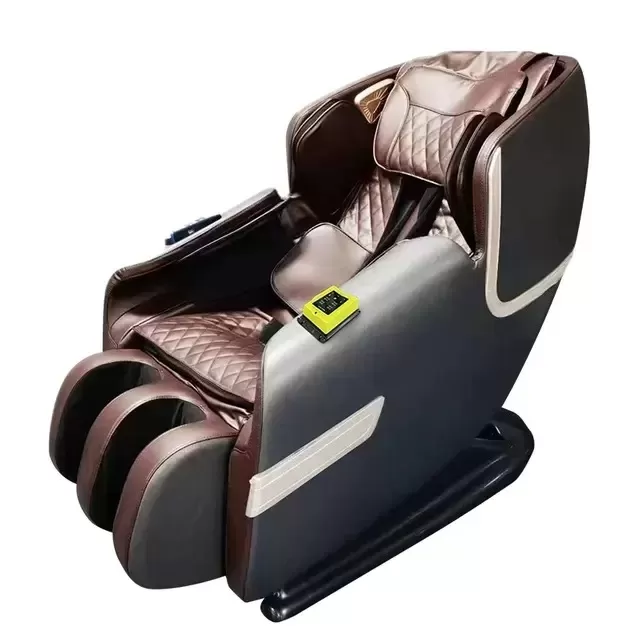
Industrial Mechanical Architecture: The Core Kinetic System
At the center of any commercial massage platform lies the kinetic drive module. Domestic units prioritize whisper-quiet operation at low torque thresholds, whereas unattended public platforms must withstand unpredictable mechanical loads, dynamic center-of-gravity shifts, and continuous duty cycles often exceeding twelve hours daily.
Drive Track Geometries: S-Track, L-Track, and Hybrid SL-Guides
The structural backbone of the internal carriage is the structural guide rail. While older legacy platforms utilized rudimentary vertical racks, modern engineering favors cold-rolled, high-carbon steel hybrid SL-tracks. The S-curve matches the physiological lordotic and kyphotic angles of the human spine, whereas the L-extension continues seamlessly beneath the pelvic base to target the gluteus maximus and piriformis complexes.
Tensile Tolerance: Commercial rail assemblies must resist deflection under point loads up to 150 kilograms. Substandard alloys bend over repetitive cycles, precipitating carriage binding and catastrophic stepper motor stall.
Acoustic Isolation & Lubrication: Solid nylon-polymer carriage wheels operating within precision-extruded aluminum sub-channels yield low friction coefficients. Pre-applied, high-viscosity synthetic lithium greases resist displacement, preventing dry-friction scoring across hundreds of thousands of vertical traversals.
Quad-Roller Kinematics and Multi-Axis Actuation
Massage mechanics rely on the mechanical hand assembly. Industrial units deploy 3D or dynamic 4D mechatronic engines driven by brushless direct-current (BLDC) motors. Unlike brushed alternatives prone to thermal breakdown and rapid carbon brush wear, BLDC assemblies feature Hall-effect sensors providing real-time positional feedback down to the millimeter.
Perpendicular Extension (Depth Axis): Worm-gear configurations thrust the massage nodes forward up to 8 to 12 centimeters, delivering deep-tissue knead pressures that adjust to user anthropometry through back-EMF current sensing.
Kneading, Tapping, and Dual-Directional Rollers: Independent eccentric gearboxes drive individual node sets, allowing asymmetrical rotational patterns that replicate professional human manipulation while eliminating backlash chatter.
Pneumatic Topographies and Solenoid Manifolds
Full-body decompression relies heavily on pneumatic compression systems targeting the calves, feet, and lateral upper body. Commercial durability requires industrial-grade micro-air pumps rated for over 10,000 continuous hours alongside multi-valve distribution manifolds. Rapid-cycling solenoids actuate polyurethane-laminated TPU air bladders, which resist seam micro-punctures through high-frequency dielectric welding. Commercial systems engineered by Jingtuo integrate multi-stage pressure relief architectures to prevent over-pressurization while executing rapid inflate-deflate profiles.
IoT Telemetry, Cashless Gateways, and Fleet Management Logic
Unattended hardware requires reliable connectivity. A modern commercial setup relies heavily on its digital backbone, which must integrate financial transaction routing, hardware telemetry, anti-vandalism sensors, and operational status monitoring into an accessible cloud infrastructure.
Telemetry Hardware and Protocol Translation
The internal master control unit (MCU) utilizes industrial-grade microcontrollers that interface with auxiliary peripherals via RS-232, RS-485, or CAN-bus protocols. Telemetry modules leverage multi-band 4G LTE-M and NB-IoT modems with fallback 2G connectivity, ensuring unbroken signal penetration even within subterranean transit stations or reinforced concrete shopping mall basements.
Cashless Payment Architecture and MDB Compliance
Modern unattended installations function primarily on cashless ecosystems, including contactless EMV chips, NFC mobile wallets, dynamic QR-code mobile payments, and closed-loop loyalty cards. Payment gateways typically interface through the standard Multi-Drop Bus (MDB) protocol, operating at 34V DC levels.
Transaction Handshake Protocol: Upon user payment verification, the external card reader transmits an enablement string to the primary logic board. The system unlocks dynamic recline angles, sets operational timers, and energizes kinetic sub-assemblies.
End-of-Session Park Sequences: Once the countdown finishes, the logic board triggers a forced homing subroutine. The roller carriage returns to its top park position, and the linear footrest actuator restores the frame to a zero-degree upright stance to facilitate clean user egress.
Centralized Fleet Operations and Health Monitoring
Remote telemetry mitigates the overhead of physical site visits. The edge controllers report critical telemetry packets to an administrative dashboard at set temporal intervals:
Thermal Signatures: Sensor diagnostics monitor transformer cores, BLDC driver ICs, and pneumatic pumps to identify abnormal thermal spikes before motor winding degradation occurs.
Mechanical Cycle Counters: Cumulative operational minutes prompt automated notifications for structural inspections and lubrication schedules.
Real-Time Revenue Auditing: Granular revenue reporting by machine, location, and daypart allows operators to assess foot-traffic conversion rates across extensive deployments.
Structural Ergonomics, High-Traffic Materials, and Longevity
Publicly deployed machinery faces environmental stresses rarely encountered in domestic settings. Footwear contact, continuous abrasion, UV exposure from glass atriums, and caustic sanitizing agents mandate an uncompromising materials approach.
Commercial Polymer Cladding and Anti-Wear Membranes
Domestic polyurethanes (PU) crack, peel, and delaminate within months of intense commercial exposure. Fleet-grade builds deploy semi-silicone or technical micro-fiber polyurethanes subjected to extensive Martindale and Wyzenbeek abrasion tests exceeding 150,000 double rubs.
Hydrolysis Resistance: High-humidity climates accelerate polymer bond breakdown. Fleet materials must pass rigorous 5-to-10-week jungle tests (constant 70°C and 95% relative humidity) without showing structural peeling.
Fire-Retardant Standards: Global deployments require compliance with localized fire-safety mandates, including California Technical Bulletin 117 (CAL 117) and British Standard 5852 (Crib 5), ensuring fabrics extinguish without serving as an accelerant.
Cleanability: The topcoat must possess anti-staining chemical barriers, resisting daily wipe-downs with medical-grade isopropyl, quaternary ammonium compounds, or sodium hypochlorite solutions without clouding or surface hardening.
Chassis Metallography and Dynamic Weight Distribution
Underlying the external aesthetics is an integrated robotically welded skeleton. Precision laser-cut carbon steel profiles form the load-bearing framework, shielded by electrostatic powder coatings to prevent ambient oxidation. Commercial engineering standards upheld by Jingtuo mandate reinforced base-rail bracing to handle severe off-axis torque forces, which occur when heavy individuals drop their full weight onto cantilevered armrests or extended calf units.
Site Optimization and Financial Deployment Metrics
Procuring a high-performance vending massage chair for sale represents the initial capital expenditure (CapEx). Achieving optimal returns on capital depends heavily on systematic site acquisition, power integration, and passenger flow modeling.
High-Yield Placement Typologies
Unattended therapeutic services convert passenger dwell times into steady revenue streams. Site selection relies on qualifying foot traffic through distinct environmental dynamics:
International Airport Departure Terminals: High dwell times (averaging 60 to 120 minutes) combined with traveler exhaustion establish prime monetization conditions. Post-security airside locations yield significantly higher average spend per passenger compared to landside zones.
Intermodal Rail and Bus Hubs: Rapid throughput environments require distinct unit layouts. Machines placed adjacent to major boarding displays maximize utility during short 15-to-30-minute layovers.
Convention Centers and Multi-Tier Retail Atriums: These locations draw heavy pedestrian volumes on weekends. Strategic clusters of two to four units create visible wellness stations, discouraging single-user intimidation and encouraging spontaneous group usage.
Empirical Revenue and Payback Matrix
Operational yield varies directly with footfall volume and local pricing conventions. The financial model below reflects realistic throughput across typical airport deployment profiles.
| Operational Metric | Conservative Estimate | Target Baseline | Optimized Performance |
|---|---|---|---|
| Daily Paid Cycles per Unit | 8 Cycles | 16 Cycles | 28 Cycles |
| Average Session Value | $4.00 (6 Minutes) | $6.00 (10 Minutes) | $8.00 (15 Minutes) |
| Gross Monthly Revenue | $960.00 | $2,880.00 | $6,720.00 |
| Site Lease / Concession Share (30%) | $288.00 | $864.00 | $2,016.00 |
| Telemetry, Power, and Upkeep | $65.00 | $85.00 | $120.00 |
| Net Operating Income (NOI) per Month | $607.00 | $1,931.00 | $4,584.00 |
| Approximate Hardware Payback Window | 3.5 to 5.0 Months | 1.5 to 2.5 Months | < 1.5 Months |
Total Cost of Ownership and Preventative Maintenance Protocols
Fleet operators managing distributed hardware across multiple geographies evaluate purchases by their long-term operating costs (OpEx) rather than baseline sticker prices. The total operational footprint is dictated by subsystem modularity, component interchangeability, and the speed of routine field service.
Modularity and Field-Replaceable Units (FRU)
Prolonged machine downtime directly reduces monthly earnings. Enterprise-tier machines are structured around modular subsystems, ensuring field technicians can complete rapid swaps using common hand tools:
Unified Power Distribution Modules: Combining transformers, noise filters, and primary fuses into an isolated slide-out cassette allows technicians to resolve electrical faults within ten minutes, avoiding deep chassis disassembly.
Quick-Disconnect Pneumatic Blocks: Color-coded, industrial push-to-connect fittings allow swift pump and manifold replacements without tracing internal air lines through the mechanical spine.
Detachable Core Assemblies: Massage mechanisms, main control boards, and card readers feature keyed harnesses that prevent accidental pin-out inversions during routine field replacements.
Scheduled Preventive Maintenance Regimens
Structured maintenance schedules preserve internal hardware integrity and maintain user comfort levels throughout high-volume operating cycles:
Bi-Weekly Intervals: Wipe down upholstery with antimicrobial, non-drying cleaners; inspect external cables for physical stress; execute internal software self-test diagnostics.
Quarterly Intervals: Remove rear service panels to vacuum accumulated dust from transformer heat sinks and BLDC motors; check optical interrupter alignment; audit telemetry antenna connections.
Annual Structural Audits: Verify the torque on high-carbon chassis bolts; re-lubricate drive rails with lithium-based synthetic grease; perform deep cycle checks on power regulation stages.
OEM/ODM Customization Parameters for Commercial Enterprise Fleets
Enterprise buyers typically look beyond off-the-shelf catalog units, commissioning custom equipment matched to their corporate brand standards, territorial payment protocols, and regional electrical safety mandates. Manufacturing partners like Jingtuo support extensive mechanical, electronic, and industrial design customizations.
Electrical Certification and Structural Compliance
Deploying equipment into tier-one real estate assets demands comprehensive international regulatory compliance. Manufacturing lines must support specific regional electrical architectures: 110V–120V 60Hz across North America, 220V–240V 50Hz for Europe, Australia, and parts of Asia.
UL / CE / FCC Compliance: Ensuring electromagnetic compatibility guarantees high-frequency telemetry emissions will not disrupt adjacent point-of-sale systems or sensitive airport infrastructure.
Total Power Consumption Limits: In idle mode, low-power microcontrollers draw less than 5 Watts. Under peak 3D massage cycles with full pneumatic actuation and active heat elements, peak current draw must stay within standard 10A circuits, generally peaking below 200 Watts.
Industrial Aesthetic and Firmware Localization
Fleet brand differentiation extends from external cabinet styling to digital user experiences:
Custom Molded Polycarbonate Enclosures: Custom injection tooling facilitates distinct brand aesthetics, integration of custom LED ambient status lights, and unified asset housing.
Firmware Customization: Engineering support from Jingtuo allows operators to load regionalized languages, display company logos on high-contrast LCD interfaces, and adjust operating parameters like massage intensity limits or default run times through OTA (Over-The-Air) firmware updates.
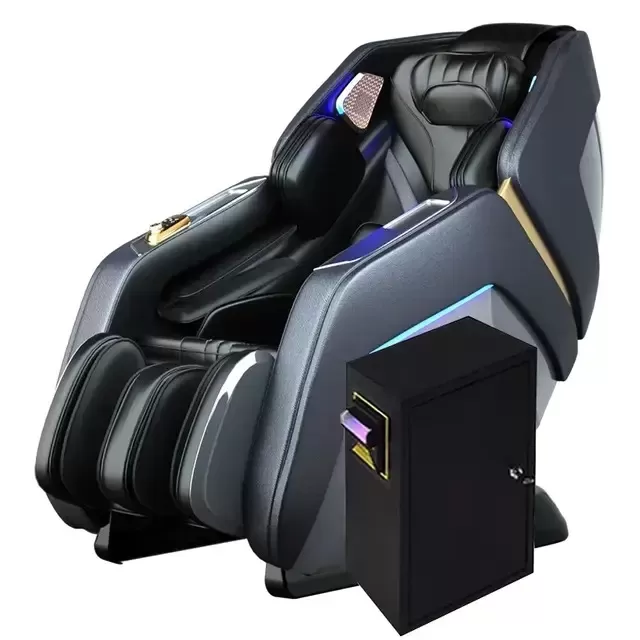
Vandalism Defenses: Armoring the cash-box cavities with 3mm reinforced steel enclosures, deploying anti-drill lock assemblies, and mounting external cameras or ultrasonic proximity sensors help maintain unit integrity in unattended spaces.
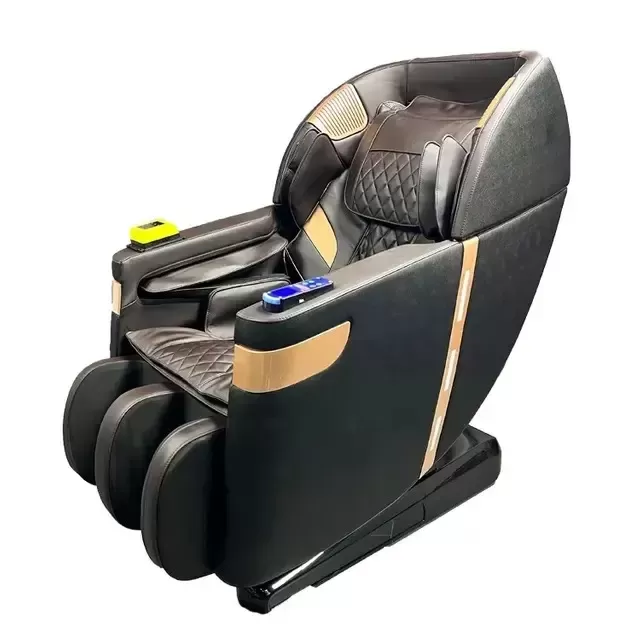
Frequently Asked Questions (FAQ)
How does the equipment prevent users from staying in the chair without paying?
Commercial hardware employs integrated load cells and mechanical park sequences. In idle mode, the backrest remains strictly vertical and the massage nodes park at an elevated forward threshold, creating an upright, unyielding posture that is uncomfortable for casual loitering. Upon session completion, the unit returns to this position, signaling to passersby that the unit is vacant while gently encouraging the current user to exit.
What happens if a passenger drops an object into the internal mechanical bay?
Commercial systems feature bottom-sealed frames, flexible rubber aprons along moving joints, and heavy-duty dust bellows. If a foreign object bypasses the protective skirts and reaches the main drive rail, the motor controllers detect the sudden increase in resistance (back-EMF current spike). The system halts the carriage instantly and reverses motion for three centimeters to clear the blockage, protecting both internal gears and user belongings.
How are high transaction volumes handled during network interruptions?
Standard payment processing protocols avoid processing charges during offline states to minimize financial discrepancies. The integrated telemetry hardware incorporates smart caching. If cellular network access drops, modern cashless terminals immediately display a visible offline status, preventing double billing and signaling local service teams through alternate alert paths.
What is the typical operational lifespan of a commercial massage chair in an airport terminal?
A properly engineered commercial unit operating under continuous preventive maintenance holds a service life of five to seven years, representing 25,000 to 40,000 paid runtime hours. At that point, the primary steel chassis remains intact, allowing operators to complete cost-effective overhauls by refreshing the upholstery covers, updating the logic board, and installing current payment hardware.
Can telemetry systems integrate directly with third-party ERP platforms?
Enterprise setups engineered by Jingtuo feature open RESTful APIs and secure webhook architectures. This enables central servers to ingest operational metrics, machine errors, and revenue data directly into external Enterprise Resource Planning platforms, central accounting ledgers, or automated service dispatch ticketing software without proprietary dashboard constraints.
Procurement Specifications and Enterprise Orders
Successful commercial deployments depend on reliable manufacturing partnerships capable of scaling production while maintaining consistent quality standards. Whether you are expanding an international terminal network, upgrading a regional shopping mall concession, or developing a custom-branded unattended wellness concept, your team requires verified technical schematics, clear compliance testing documentation, and flexible OEM customization terms.
To receive our complete technical portfolio, comprehensive component failure rate analysis, and volume pricing tiers for an enterprise vending massage chair for sale, submit your project requirements below. Our engineering and commercial teams will review your target market parameters, footprint specifications, and software requirements to build an optimized industrial supply proposal tailored to your operational scale.
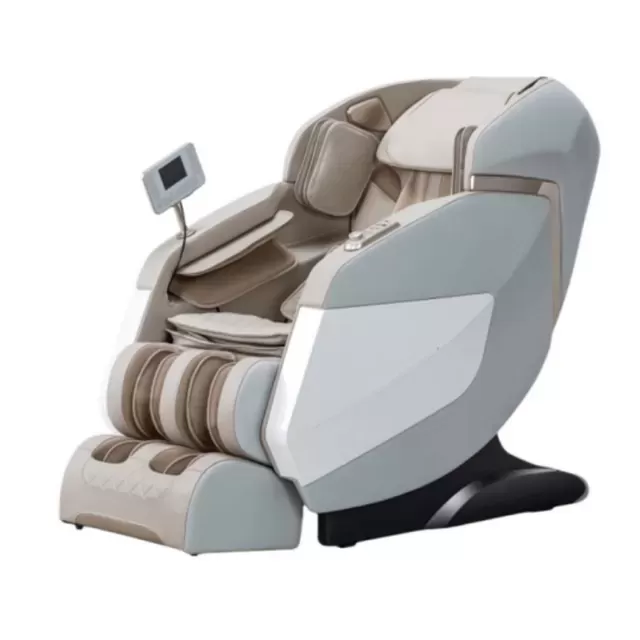
.webp "Top Foot Spa Bath Massager OEM/ODM Trends for 2026: A Strategic Sourcing Guide")
.webp "Office Chair Back Massager vs. Traditional Cushions: Which One Truly Relieves Pain?")