

Are you preparing your consumer wellness catalog for the upcoming product cycle? Leading brands rely on advanced contract manufacturing to turn engineering ideas into high-margin inventory. If you want to develop an innovative back massager line with industry-leading mechanical compliance, contact Jingtuo today to request our 2026 OEM engineering portfolio and product samples.
The consumer recovery sector is at a crossroads. For over a decade, retail shelves have overflowed with basic, motorized cushions and rigid kneading chairs. These products often treat the human spine as a flat, unyielding board. Traditional units rely on fixed motors that press hard plastics against sensitive bones, frequently causing discomfort instead of pain relief.
Consumer expectations are shifting rapidly as we approach 2026. Buyers no longer accept cheap vibration units that rattle across the shoulder blades. They demand precise, anatomically mapped recovery tools that adapt to their unique spinal curvature. This shift is turning ordinary contract manufacturers into vital engineering partners. Specialized factories are redefining how a back massager supports, tracks, and relieves human muscle tissue.
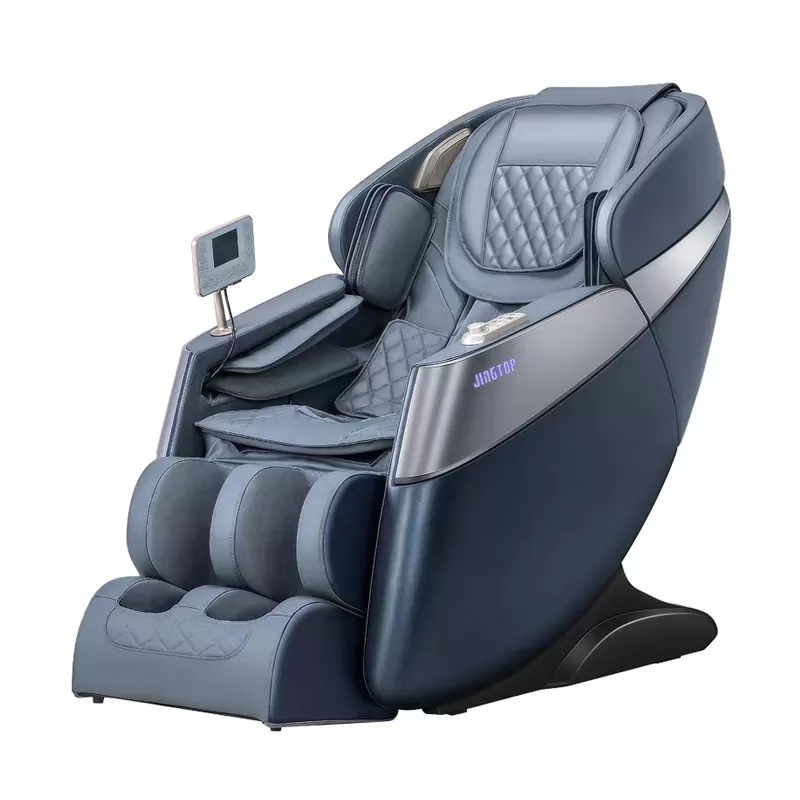
Market Drivers for the 2026 Back Massager Sector
Several commercial and demographic factors are changing consumer habits. Brands must adjust their supply chains to stay ahead of these movements.
Sedentary Lifestyles Across Younger Demographics
Chronic spinal tension is no longer an issue exclusive to aging demographics. Desk-bound remote workers, mobile gamers, and commercial drivers in their twenties and thirties report persistent thoracic pain and lumbar fatigue. These younger buyers seek preventative recovery solutions that fit neatly into their daily workspaces.
Because these users understand ergonomics from their ergonomic office chairs and fitness equipment, they expect identical anatomical support from an electric back massager. They scrutinize how well a device hugs the lumbar curve without pushing the pelvis out of neutral alignment.
Demand for Clinical Validation and True Ergonomics
Shoppers have grown immune to empty marketing buzzwords. Claims of "deep tissue relaxation" fall flat when a device bruises the vertebrae. Today, savvy buyers demand evidence-backed physical support. They look for adjustable force curves, variable nodal speeds, and designs developed alongside biomechanical data.
To win commercial market share in 2026, brands cannot rely on off-the-shelf plastic molds. They need specialized engineering that mirrors the exact touch, pacing, and contouring of clinical physical therapy treatments.
How Contract Manufacturers Are Redefining Ergonomics in Back Massagers
The days of generic white-label assembly are coming to an end. Forward-thinking factory partners are solving major biomechanical challenges right on the assembly floor through rigorous tooling adjustments and materials science.
Dynamic Adaptive Contouring
Human spines vary drastically in depth, curvature, and lateral symmetry. A static S-track or L-track mechanism cannot support both a petite runner and a broad-shouldered office worker effectively. Modern contract builders are replacing fixed plastic rails with dynamic adaptive contouring frames.
These advanced mechanical sub-assemblies float on spring-loaded multi-axis suspensions. When a user leans into the back massager, the internal carriage adjusts its depth automatically. The unit maintains consistent contact with the erector spinae muscles while actively retreating when detecting the hard profile of the spinal column.
3D and 4D Mechanisms with Biomimetic Nodes
Traditional rollers move purely across vertical (Y) and horizontal (X) axes. Next-generation systems introduce true depth (Z-axis) and rhythmic micro-rotations (4D). This gives the sensation of human thumbs working along muscle fibers.
- Dual-Durometer Silicone Heads: Factories replace hard ABS plastics with layered silicone. The inner core maintains structural rigidity, while the outer tier cushions the contact point against human tissue.
- Articulated Gear Drives: Precision gear trains provide high torque at low speeds, preventing the motor from stalling under heavy body weight.
- Micro-Angled Axles: Off-center nodal mountings imitate the circular friction rubs used by sports massage practitioners.
Lightweight Materials for Multi-Scene Utility
Modern consumers want uninterrupted recovery throughout their day. They desire a single back massager that transitions effortlessly from an office chair to a car seat, and finally to a living room recliner. Meeting this expectation requires structural innovation.
Contract manufacturing facilities like Jingtuo use high-strength, lightweight polycarbonate frames combined with high-density polyurethane memory foam. This setup preserves deep structural ergonomics without adding unnecessary bulk, keeping portable units under transportable weight limits.
Tech Integration: The Next-Gen Smart Back Massager
Hardware ergonomics alone cannot address every consumer need. The 2026 market will see widespread adoption of intelligent sensory hardware integrated straight into the interior foam layers.
Body-Pressure Mapping and Trigger-Point Detection
Smart sensors are quickly transforming the basic back massager into an intelligent recovery assistant. By embedding flexible thin-film pressure sensors across the contact surface, modern units can map the user's postural alignment in real time.
When the internal processor registers an asymmetric pressure spike—often caused by involuntary muscle guarding around an inflamed trigger point—it adjusts the motor cadence automatically. The nodes focus on hypertonic muscle bands while lowering pressure around fatigued joints to speed up tissue recovery.
Targeted Thermal Therapy and Electrical Muscle Stimulation (EMS)
Heat has always been a staple in back care, but old-fashioned heating wires generate uneven hot spots that risk burns. The 2026 standard leverages graphene heating films cut to match the natural shape of the human back.
- Rapid Far-Infrared Emission: Graphene reaches target temperatures within seconds, sending soothing heat deep into the fascia rather than merely warming the skin.
- Zoned Temperature Regulation: Independent thermal zones permit intense warmth on the lower lumbar area while keeping the mid-back at a gentle baseline.
- Integrated EMS Contacts: Conductive silicone pads introduce
gentle microcurrent stimulation, waking up dormant posture-supporting muscles
while the mechanical nodes work out tight knots.
.webp?t=1792129789375 "back massager")
B2B Sourcing Guide: Selecting the Right Back Massager Contract Manufacturer
For brands and sourcing managers, winning in this competitive sector means picking a supplier that provides engineering depth, not just an assembly line. When auditing an OEM or ODM back massager factory, focus on these critical areas.
Internal R&D and Biomechanical Testing Facilities
A reputable factory should operate an in-house biomechanical testing laboratory. Do they run pressure-distribution testing on diverse body shapes? Can their mechanical engineers quickly customize internal gear modules, motor torque curves, and shell designs?
Look for production lines backed by continuous stress-testing rigs. Your manufacturing partner should test structural arms through at least 20,000 cycles under load to prevent noisy gears and field failures after retail distribution.
Regulatory Compliance and Safety Certifications
Selling personal wellness hardware globally requires strict adherence to international standards. Consumer protection agencies routinely target wellness devices lacking verified electrical, chemical, and thermal safety certifications.
- North American Market: Ensure the factory maintains active FDA device listings, uses UL-certified power supplies, and meets FCC Part 15 limits.
- European Market: Units must fully comply with CE directives, RoHS environmental standards, and the low-voltage machinery directive. If your product makes medical relief claims, ensure your supplier has ISO 13485 certification.
- Thermal Safety Protocols: Look for multi-tiered fail-safes, including dual NTC thermistors and auto-shutoff chips to eliminate overheating hazards.
Modular OEM and ODM Architectures
Speed to market is essential. Sourcing teams should look for contract producers that offer modular component libraries. A modular internal platform lets you change fabric choices, motor profiles, battery sizes, and exterior shapes without investing in entirely new internal tool sets from scratch.
This flexible approach shortens production timelines by months. It lets your marketing team launch differentiated products ahead of upcoming market seasons while cutting initial capital risks.
Frequently Asked Questions (FAQ)
Q1: What separates an ergonomic back massager from a traditional
model?
A1: Traditional units use fixed rotational nodes that push
against muscles on a flat path, often hitting the spine uncomfortably. An
ergonomic back massager uses floating tracks, multi-axis nodes, and contoured
frames designed to follow the natural lumbar curve. This ensures continuous,
comfortable contact with muscle tissue without placing blunt force on the
vertebrae.
Q2: Why should consumer brands partner with a dedicated back massager
contract manufacturer?
A2: Dedicated contract manufacturers possess
specialized injection tooling, acoustic dampening expertise, and structural
testing labs tailored to mechanical wellness hardware. Partnering directly with
an experienced builder lets brands bypass complex engineering pitfalls, protect
their profit margins, and bring thoroughly tested products to market much
faster.
Q3: What certifications are mandatory when importing a back massager
into North America and Europe?
A3: For North America, devices need
FCC certification for electromagnetic compatibility, alongside UL or ETL safety
listings for their internal batteries and charging adapters. For European
markets, CE, RoHS, and REACH certifications are mandatory. If marketing the
product for targeted medical pain management, the manufacturing site must
maintain ISO 13485 certification.
Q4: How does 3D and 4D technology improve back massager
performance?
A4: 3D technology moves the massage heads along the
depth axis (in and out), mimicking the firm press of human hands. 4D technology
introduces dynamic speed and tempo changes within the movement stroke. This
variation prevents muscle adaptation, targets deep-tissue knots effectively, and
delivers a superior, humanized recovery experience.
Q5: Can contract manufacturers customize shell tooling and firmware
for small B2B batches?
A5: Yes, elite manufacturers offer modular
manufacturing solutions. While fully custom exterior injection molds usually
demand higher minimum order quantities, experienced partners can modify outer
textiles, firmware movement routines, sensor thresholds, and branding elements
across smaller production runs to suit specific target markets.
Build Your 2026 Product Strategy Today
The consumer wellness sector is entering a demanding new era. Customers are discarding stiff, noisy, generic recovery tools in favor of intelligent, adaptive products that protect and soothe the human spine. The brands that win in 2026 will be those that prioritize verified biomechanical engineering over hollow marketing claims.
Contract manufacturing has progressed from simple labor assembly into a strategic engine of technical design and hardware innovation. By collaborating with an established manufacturing partner like Jingtuo, your brand can bypass the commodity trap and launch a back massager that sets new benchmarks for comfort, durability, and smart performance.
Contact our B2B procurement team today. Inquire about customized OEM/ODM partnerships, request full design blueprints, and order sample back massager units to secure your market advantage for the upcoming retail year.
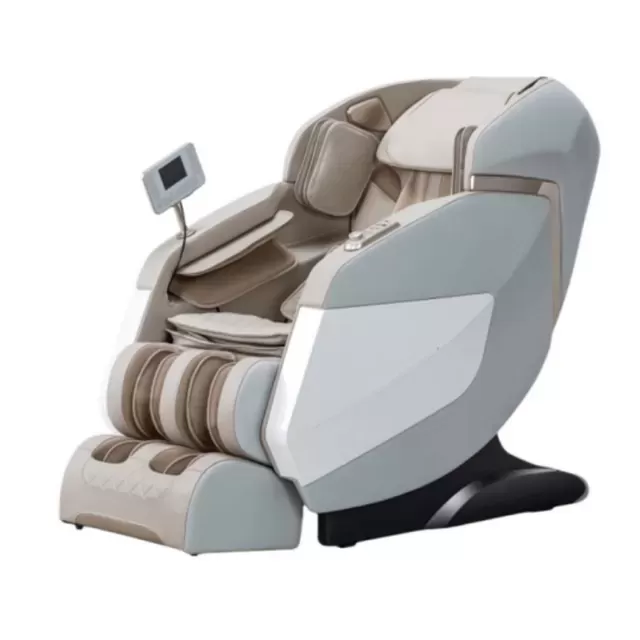
.webp "The 2026 Back Massager Market: How Contract Manufacturers Are Redefining Ergonomics")
.webp "OEM vs. ODM Foot Massager Sourcing in 2026: Cost, MOQs & Quality Control")
.webp "What Makes a Top Rated Foot Massager in 2026? Inside Next-Gen Massage Engineering")