

The global demand for non-invasive pain management solutions has positioned the lumbar massager with heat as one of the most sought-after categories in personal wellness electronics. For distributors, retailers, and private-label brands, understanding the engineering architecture, thermal delivery systems, and compliance frameworks behind these devices is not optional—it is a procurement necessity. This article examines the technical composition, manufacturing variables, and market positioning strategies that define high-quality heated back massage units in the B2B landscape.
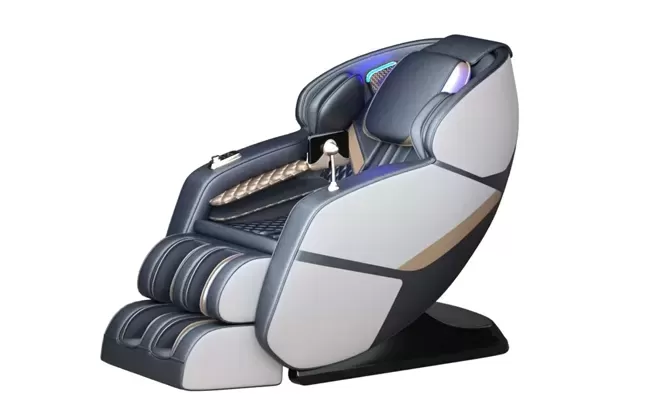
How Heat-Integrated Lumbar Massage Systems Function
A lumbar massager with heat combines mechanical pressure application with controlled thermal therapy. Unlike generic vibrating pads, professional-grade units employ multi-node shiatsu mechanisms that replicate the thumb-and-palm pressure patterns used in clinical deep-tissue therapy. The heat component operates through one of two primary methods: carbon fiber infrared emitters or PTC (Positive Temperature Coefficient) ceramic heating elements.
Carbon fiber systems generate far-infrared radiation at wavelengths between 8–15 microns, which penetrates subcutaneous tissue to improve localized blood circulation. PTC ceramics, conversely, offer rapid thermal ramp-up with inherent self-regulating properties that reduce burn-risk liability. The choice between these heating modalities directly impacts unit cost, safety certification pathways, and end-user therapeutic outcomes.
The mechanical assembly typically consists of:
Dual or quad orbital massage nodes mounted on a synchronized gearbox
Bi-directional motor drives that alternate clockwise and counter-clockwise rotation
Adjustable intensity settings controlled through PWM (Pulse Width Modulation) circuitry
Thermostatic sensors embedded within the heating matrix to maintain surface temperatures between 40°C and 50°C
Memory foam or high-density polyurethane cushioning to distribute pressure evenly across the lumbar curvature
When evaluating suppliers, B2B buyers should request detailed specifications on node torque ratings, heating element lifecycle testing, and motor decibel output under full load. These metrics separate consumer-grade products from devices capable of sustaining commercial warranty obligations.
Ergonomic Design Considerations for Diverse User Demographics
Human spinal anatomy varies significantly across populations. A lumbar support device engineered exclusively for average Western body metrics may underperform in Asian or Middle Eastern markets. Reputable original equipment manufacturers account for these variances through adjustable mounting straps, contoured base plates with variable flex points, and modular node positioning.
Seat-back integration represents another design variable. Some heated back massage cushions are built for office chair attachment, featuring vertical tension straps and non-slip silicone backing. Others are configured for flat-surface use on sofas, beds, or vehicle seats, incorporating weighted bases to prevent migration during operation. Jingtuo offers customizable chassis dimensions and strap configurations, allowing brand partners to specify form factors aligned with regional retail preferences.
Material selection carries implications for both durability and regulatory compliance. Medical-grade PVC covers provide moisture resistance and ease of sanitization, making them suitable for clinical or hospitality environments. Breathable mesh fabrics appeal to fitness-oriented consumers but may require additional flame-retardant treatments to satisfy EU or North American safety standards.
Regulatory Compliance and Safety Certifications
Electrical wellness devices face stringent oversight in major import markets. A lumbar massager with heat intended for distribution in the European Economic Area must bear CE marking, typically assessed against the Low Voltage Directive (LVD) 2014/35/EU and Electromagnetic Compatibility (EMC) Directive 2014/30/EU. If the product makes explicit therapeutic claims, Medical Device Regulation (EU) 2017/745 classification may apply, necessitating Notified Body involvement.
North American distribution requires compliance with UL 1647 (Motor-Operated Massage and Exercise Machines) or equivalent CSA standards. FCC Part 15 certification becomes relevant if the unit incorporates Bluetooth connectivity or wireless remote functionality. For the Japanese market, PSE marking is mandatory for any electrical appliance operating above a specified voltage threshold.
Manufacturers with robust quality management systems maintain ISO 9001 certification as a baseline. More advanced facilities pursue ISO 13485 if they produce devices falling under medical device classifications. B2B procurement teams should verify that prospective suppliers hold current certifications and can provide test reports from accredited third-party laboratories such as SGS, Intertek, or TÜV Rheinland.
Supply Chain Variables and OEM Customization Pathways
The manufacturing ecosystem for heated massage cushions spans component sourcing, PCB assembly, plastic injection molding, and final product integration. Lead times fluctuate based on semiconductor availability, particularly for motor control ICs and microcontroller units. Buyers planning seasonal inventory builds—such as fourth-quarter holiday retail cycles—should initiate procurement discussions 90 to 120 days in advance.
Private-label and white-label opportunities allow brands to differentiate through:
Custom colorways and surface material finishes
Branded remote controls with proprietary button layouts
Packaging design aligned with regional retail shelf requirements
Programmable massage sequences stored in onboard memory chips
App integration for smart-home ecosystems
Jingtuo supports full OEM and ODM workflows, from initial industrial design sketches to mass production ramp-up. Engineering teams collaborate with client stakeholders to refine node configurations, heating profiles, and control interfaces before tooling investment. This iterative approach minimizes costly design revisions during pre-production validation.
Market Positioning and End-User Segmentation
The addressable market for lumbar therapy devices segments into several distinct categories. Corporate wellness programs represent a growing B2B channel, with employers purchasing ergonomic accessories for remote-work stipends or on-site relaxation rooms. Hospitality groups integrate seat-back massagers into premium guest room amenities. Physical therapy clinics and chiropractic offices use professional-grade units as adjunct modalities during patient sessions.
Consumer retail remains the largest volume channel, though margin compression is accelerating. Differentiation through feature innovation—such as adjustable infrared intensity, cordless lithium-ion operation, or AI-driven pressure adaptation—commands premium shelf pricing and reduces direct comparison with low-cost competitors.
Geographic demand patterns also warrant attention. North American consumers prioritize powerful deep-tissue emulation and extended warranty terms. European buyers emphasize energy efficiency and repairability, influenced by emerging right-to-repair legislation. Asian markets demonstrate strong appetite for compact, travel-friendly designs with rapid heat-up capabilities.
Quality Assurance Protocols in Manufacturing
Reliable production of a lumbar massager with heat requires systematic quality gates. Incoming material inspection should verify the tensile strength of fastening straps, thermal uniformity of heating elements, and insulation resistance of power cables. In-process testing typically includes:
High-potential (hipot) testing to confirm electrical isolation between live circuits and accessible surfaces
Ground continuity verification for Class I grounded constructions
Thermal imaging during sustained operation to identify hotspot anomalies
Acoustic measurement to ensure motor noise remains below 55 dB at one meter distance
Lifecycle fatigue testing simulating 5,000+ operational cycles
Final random inspection protocols, often benchmarked against ANSI/ASQ Z1.4 sampling standards, provide statistical confidence that shipped lots meet agreed acceptance criteria. Suppliers unwilling to share detailed QA documentation or allow third-party factory audits should be approached with caution.
Common Questions from Commercial Buyers
What is the typical minimum order quantity (MOQ) for branded lumbar massagers?
Standard MOQs for customized units generally range from 500 to 1,000 pieces, depending on the complexity of tooling and packaging modifications. Smaller trial orders may be negotiable for existing clients or when utilizing stock chassis with logo-only customization.
Can heating temperature be adjusted to comply with regional safety standards?
Yes. The thermostat thresholds and thermal cutoff settings can be calibrated during firmware programming to align with specific market requirements. For example, devices bound for markets with conservative thermal exposure limits can be capped at 45°C maximum surface temperature.
What type of warranty coverage do manufacturers typically offer?
Most B2B suppliers provide a 12-month manufacturing defect warranty as standard. Extended warranty programs covering 24 or 36 months are available through component upgrade paths, such as specifying higher-grade motors or reinforced power adapters.
Are there cordless or battery-operated options available for OEM orders?
Lithium-ion battery configurations are increasingly common, offering 90 to 120 minutes of cordless operation per charge. These variants require additional UN 38.3 transportation testing and regional battery compliance markings, which should be factored into lead time and cost projections.
How can buyers verify that a supplier's factory operates ethically?
Request current social compliance audit reports, such as BSCI or Sedex certifications. On-site inspections, whether conducted directly or through third-party agencies, provide the most reliable verification of working conditions, wage compliance, and environmental management practices.
What packaging options support Amazon FBA or similar fulfillment models?
Many manufacturers offer frustration-free packaging designs that meet Amazon's certification requirements. This includes reduced box dimensions for dimensional weight optimization, suffocation-warning labeling for polybags, and scannable barcode placement compliant with FBA inbound specifications.
Evaluating Total Cost of Ownership
Unit price represents only one component of procurement economics. B2B buyers should model total landed cost, incorporating freight terms, import duties, customs brokerage, and inland distribution. Product return rates, driven by quality failures or mismatched user expectations, erode margin more aggressively than modest upfront price premiums.
After-sales support infrastructure also merits scrutiny. Suppliers capable of providing replacement parts, technical documentation, and responsive communication channels reduce the operational burden on distribution partners. Jingtuo maintains dedicated account management for volume clients, facilitating streamlined communication across order management, quality feedback, and product iteration cycles.
Technical Trends Shaping Next-Generation Devices
The category continues to evolve beyond basic heat-and-knead functionality. Emerging developments include TENS (Transcutaneous Electrical Nerve Stimulation) integration for combined mechanical and electrical pain relief, biometric sensors that adjust intensity based on real-time muscle tension readings, and voice-control compatibility with mainstream virtual assistant platforms.
Sustainability pressures are also influencing design decisions. Recyclable packaging mandates, reduction of halogenated flame retardants, and energy-efficient standby power consumption below 0.5 watts are becoming standard expectations rather than premium differentiators. Forward-thinking procurement strategies should anticipate these requirements when specifying multi-year product roadmaps.
Strategic Partnership for Market Entry
Successfully introducing a lumbar massager with heat into competitive retail or institutional channels demands more than attractive unit pricing. It requires engineering precision, regulatory foresight, and supply chain resilience. Jingtuo operates manufacturing facilities equipped for high-mix, medium-volume production with the flexibility to accommodate custom specifications without compromising delivery schedules.
If your organization is evaluating suppliers for heated back massage products, we invite you to request a detailed specification sheet, factory audit scheduling, or sample evaluation. Our engineering team is available to discuss your target market requirements, preferred feature sets, and volume projections to structure a manufacturing partnership aligned with your commercial objectives.
Contact our B2B sales division to initiate a technical consultation and receive competitive quotation terms tailored to your procurement parameters.
.webp "OEM/ODM Sourcing Guide: How to Choose a Reliable Vibrating Back Massager Manufacturer")
.webp "The Best Thigh Massager You Can Buy: Top-Rated Air Compression Devices Reviewed")
.webp "The Future of Leg Air Compression: 2026 Trends in Smart Massage Device Manufacturing")