

Commercial vending massage chairs have become a practical addition to airports, shopping centers, fitness facilities, and transit hubs. These units allow users to insert coins, swipe cards, or scan mobile payments for timed massage sessions. Operators place them where people wait or rest, turning idle moments into paid recovery time. The model combines convenience for the public with a steady income stream for venue managers and independent operators.
Unlike home models, commercial vending massage chairs must withstand continuous use, varied body types, and public handling. Frames are reinforced, upholstery resists wear, and payment systems stay secure. Jingtuo produces units built for these conditions, focusing on mechanical reliability and simple maintenance cycles.
Demand grows as travelers and shoppers seek quick ways to ease tension without leaving the premises. A well-placed chair can serve dozens of users daily, provided the location matches foot traffic patterns and the machine remains operational.
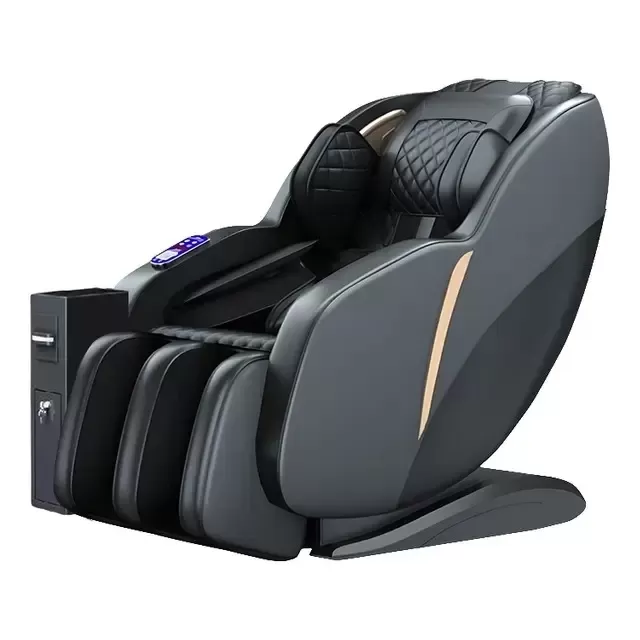
Design Features That Support Continuous Operation
The core structure of commercial vending massage chairs centers on a rigid steel or aluminum frame that holds the user’s weight during full-body programs. Seat depth and backrest height accommodate a wide range of adult sizes. Armrests often include controls or payment interfaces so users can start sessions without standing up.
Massage mechanisms typically include rollers that travel along the spine, air bags that compress shoulders and legs, and vibration nodes in the seat. Programs range from five to fifteen minutes, with intensity levels adjusted by the control panel. Heat elements in the lumbar area appear on many models because warmth increases perceived value for users who sit for longer periods.
Payment systems form another essential layer. Coin acceptors, bill validators, credit-card readers, and QR-code scanners must process transactions quickly and record them accurately. Modern units link to cloud dashboards so operators track daily revenue and usage hours from a remote location. Jingtuo integrates these payment modules with the massage controller to reduce wiring complexity and service calls.
Reinforced joints at the base and recline hinges prevent rocking under repeated load
Antibacterial vinyl or leatherette covers wipe clean between users
Sealed electronics protect against dust and accidental spills
Adjustable leg rests extend for taller users while remaining compact for smaller frames
Power requirements stay modest. Most chairs draw standard 110 V or 220 V and include surge protection. Operators often install dedicated outlets nearby to avoid sharing circuits with other high-draw equipment.
Placement Strategies Across Different Venues
Successful placement begins with observation of dwell time. In airport terminals, chairs perform best near gate waiting areas or baggage claim zones where passengers face delays. Shopping malls favor corridors outside food courts or rest areas adjacent to large department stores. Fitness centers locate units near locker rooms so members can recover after workouts without leaving the building.
Transit stations and hotel lobbies follow similar logic. Commuters waiting for trains or guests checking in early appreciate a short session. The chair should face open space rather than a wall so users feel secure and can watch their belongings. Clear signage stating price and session length reduces hesitation.
Foot traffic volume alone does not guarantee results. A location with heavy passage but short pauses yields fewer sessions than a quieter corner where people sit for ten minutes or more. Operators who test two or three spots for a week often discover the stronger revenue point and move the unit accordingly.
Space dimensions matter. Commercial vending massage chairs need roughly 1.2 meters of width and 1.5 meters of depth when fully extended. Aisles must remain clear for emergency access and cleaning carts. Ceiling height rarely poses an issue, yet low-hanging lights or security cameras can interfere with the recline path.
Revenue Models and Cost Recovery
Operators set session prices according to local income levels and competition. Common rates fall between three and eight dollars for a ten-minute program. Higher prices appear in premium airports or luxury malls; lower rates suit university campuses or suburban shopping centers. Some owners offer multi-session cards or monthly passes for frequent users such as gym members.
Revenue calculation starts with average daily sessions. A chair in a busy terminal may complete twenty to forty paid uses. After electricity, cleaning supplies, and occasional part replacement, the remaining amount covers lease fees or purchase amortization. Many operators recover the equipment cost within twelve to eighteen months under consistent traffic.
Remote monitoring shortens downtime. When a payment module fails or a roller motor shows error codes, the dashboard alerts the owner. Quick response keeps the chair earning instead of sitting idle. Jingtuo supplies diagnostic tools that identify the exact component, reducing guesswork during service visits.
Shared-revenue arrangements appear in larger venues. The property owner provides the floor space and electricity; the operator supplies and maintains the chair. Monthly statements divide the gross take according to an agreed percentage. Transparent reporting builds trust and encourages long-term placement agreements.
Maintenance Cycles That Preserve Uptime
Daily tasks remain simple. Staff wipe surfaces with approved cleaners, empty coin boxes, and check that the recline function returns to the upright position. Weekly inspections cover roller movement, air-bag inflation, and payment acceptance rates. Monthly service includes lubrication of guide rails and inspection of wiring harnesses.
Upholstery wear shows first on the seat and lower back. Replacement covers arrive pre-cut and attach with industrial-grade zippers or Velcro. Keeping spare covers on hand allows same-day restoration rather than multi-day downtime.
Mechanical parts such as roller assemblies and air compressors carry predicted service intervals based on total operating hours. Operators who log usage data can schedule replacements before failure occurs. This approach avoids emergency calls and protects the user experience.
Clean payment slots to prevent jams from dust or foreign objects
Test emergency stop buttons monthly to confirm immediate power cut
Inspect floor anchors if the chair is bolted for stability
Update firmware on networked units when manufacturers release patches
Training for on-site staff reduces reliance on external technicians. A short manual covering basic resets and visual checks equips employees to handle minor issues without delay.
User Experience Factors That Drive Repeat Sessions
Comfort begins with the first contact. The seat should feel supportive rather than soft, and the initial recline should occur smoothly. Users who struggle with controls or hear unusual noises rarely return. Clear graphics on the armrest panel show session options without requiring language skills.
Session timers display remaining minutes so users can plan their next activity. A gentle tone or vibration signals the end rather than an abrupt stop. Some chairs store preferred intensity levels when users register a membership card, speeding subsequent starts.
Privacy considerations influence placement. Chairs positioned with partial screening or facing away from main walkways encourage longer sessions. Lighting should remain bright enough for security cameras yet soft enough to feel restful.
Hygiene perception ranks high. Visible disinfectant stations nearby and fresh-looking covers increase willingness to sit. Operators who schedule mid-day cleanings during peak hours maintain higher utilization rates.
Installation and Power Considerations
Most commercial vending massage chairs arrive partially assembled. Technicians unfold the base, attach the backrest, and connect the payment module. Leveling feet compensate for uneven floors common in older buildings. Once positioned, the unit requires only a grounded outlet and, for networked models, a stable Wi-Fi or cellular signal.
Weight distribution matters. Fully occupied chairs can exceed 150 kilograms. Floors rated for public occupancy usually support this load, yet operators verify ratings in older structures. Temporary placements may use non-marking pads instead of permanent anchors.
Cable management prevents trip hazards. Power cords route along walls or under protective covers. Payment system cables stay internal whenever possible. Jingtuo designs internal pathways that keep external wiring minimal.
Climate control affects longevity. Extreme heat or cold can stress electronics and air systems. Indoor placement with moderate temperature and humidity extends component life. Outdoor or semi-outdoor locations require weather-rated enclosures rarely used for these chairs.
Regulatory and Safety Alignment
Public equipment must meet electrical safety standards applicable to the region. Certification marks on the nameplate confirm compliance. Emergency stop mechanisms allow immediate shutdown if a user feels discomfort. Soft-start motors reduce sudden movement that could startle first-time users.
Accessibility features expand the user base. Wider seats, lower entry heights, and armrests that swing aside help individuals with mobility limitations. Clear floor space in front of the chair satisfies pathway requirements in many jurisdictions.
Data privacy applies when payment systems store card information or membership details. Operators choose processors that encrypt transactions and purge temporary data after each session. Signage near the chair informs users about data practices when required by local rules.
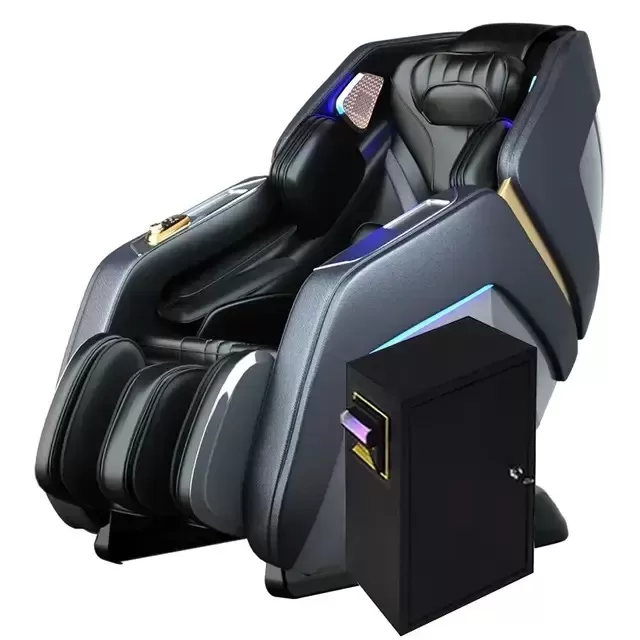
Scaling from Single Units to Multi-Site Networks
Operators who succeed with one chair often expand to additional locations. Standardized models simplify inventory of spare parts and training materials. Central dashboards display performance metrics across an entire fleet, highlighting underperforming sites that need relocation or marketing support.
Bulk purchasing reduces per-unit cost and shipping fees. Consistent branding on the chairs creates recognition when users encounter the same model in different venues. Service contracts covering multiple sites lower the average cost of technician visits.
Seasonal adjustments appear in tourist destinations. Operators may increase session prices during peak travel months and offer promotions during slower periods to maintain utilization. Data from prior years guides these decisions more accurately than guesswork.
Frequently Asked Questions
Q: How much floor space does a typical commercial vending massage chair require?
A: Most units need approximately 1.2 meters in width and 1.5 meters in depth when the leg rest is fully extended. Operators should allow extra clearance on all sides for cleaning and user access.
Q: What payment methods work best in high-traffic public locations?
A: A combination of coin, bill, card, and mobile QR options captures the widest range of users. Networked readers that accept contactless payments reduce transaction time and cash handling.
Q: How often do mechanical components need replacement under heavy use?
A: Roller assemblies and air compressors typically last between 8,000 and 12,000 operating hours when maintained according to schedule. Exact intervals depend on daily session counts and environmental conditions.
Q: Can these chairs operate in environments with limited electrical capacity?
A: Standard models draw between 150 and 300 watts during active massage. Dedicated circuits prevent interference with other equipment and keep voltage stable.
Q: What cleaning products are safe for the upholstery?
A: Mild antibacterial solutions approved for vinyl or leatherette surfaces work without damaging coatings. Harsh solvents or abrasive pads shorten cover life and should be avoided.
Q: How do operators track revenue and usage without visiting each site daily?
A: Cloud-connected units send real-time data on sessions completed, payment totals, and error codes. Dashboards allow filtering by date range and individual machine.
For detailed specifications, placement recommendations, or volume pricing on commercial vending massage chairs, contact the Jingtuo team to discuss project requirements and receive a tailored proposal.
.webp "OEM/ODM Sourcing Guide: How to Choose a Reliable Vibrating Back Massager Manufacturer")
.webp "The Best Thigh Massager You Can Buy: Top-Rated Air Compression Devices Reviewed")
.webp "The Future of Leg Air Compression: 2026 Trends in Smart Massage Device Manufacturing")