Neck and shoulder pain has become increasingly common in our modern lifestyle. Long hours at the desk, poor posture, intense workouts, and even stress can all contribute to muscle tension in these areas. This discomfort is not just physically taxing; it can also affect mental well-being, productivity, and quality of life. Persistent neck and shoulder tension can lead to headaches, fatigue, and even limited range of motion over time.
Finding the right solution to alleviate this discomfort is crucial for maintaining productivity, relaxation, and overall well-being. Among the many tools available, shoulder massagers and massage guns stand out due to their convenience, effectiveness, and versatility. Both claim to reduce muscle tension and improve blood circulation, but they work in very different ways, target different muscle depths, and serve distinct purposes.
In this article, we will explore the differences between shoulder massagers and massage guns, examine their benefits, and help you determine which is better for your specific situation. By understanding the strengths and limitations of each, you can make an informed decision that aligns with your lifestyle, pain levels, and relaxation preferences.
What is a Shoulder Massager?
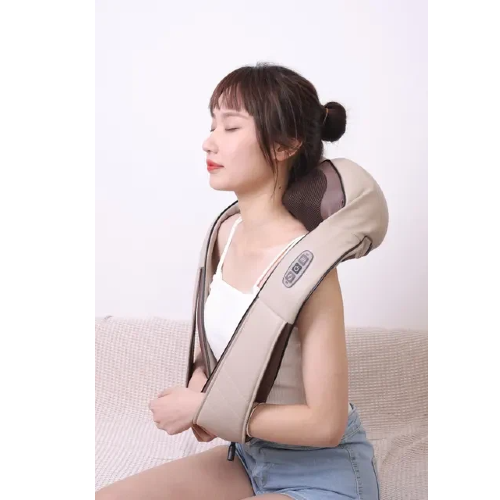
A shoulder massager is a device specifically designed to target the shoulders and upper back, providing relief from tension, stiffness, and soreness. These devices are widely used at home, in offices, and even during travel due to their convenience and user-friendly design. Shoulder massagers typically mimic the techniques of a professional massage therapist, delivering kneading, rolling, or air compression that relaxes tight muscles and encourages blood flow.
Types of Shoulder Massagers
There are several types of shoulder massagers, each designed for specific needs and preferences:
Electric Shiatsu Shoulder Massager: Utilizes rotating nodes to mimic the kneading and circular motions of a professional massage. These nodes often move in multiple directions to provide comprehensive coverage of shoulder and neck muscles.
Air Compression Shoulder Massager: Uses inflatable airbags to gently squeeze and release the muscles, simulating the effects of a massage therapist's hands. This method improves circulation and reduces stiffness without excessive pressure.
Heated Shoulder Massager: Combines mechanical massage with soothing heat therapy. Heat helps relax tight muscles, enhances blood flow, and can provide additional relief for chronic tension or cold weather discomfort.
Wearable Shoulder Massager: Lightweight and portable, often battery-powered, allowing for use during work breaks, commuting, or even light activity. These devices are designed for convenience and easy adjustment to fit different body sizes.
Benefits of Shoulder Massagers
Provides consistent relief from muscle tension and stiffness, especially in the shoulders and upper back.
Enhances blood circulation, which promotes muscle recovery and can reduce inflammation.
Reduces stress and promotes relaxation, supporting mental wellness alongside physical comfort.
User-friendly design allows for prolonged sessions without discomfort or fatigue.
Adjustable intensity and massage modes can be tailored to individual needs, offering both gentle relaxation and moderately firm muscle kneading.
What is a Massage Gun?
A massage gun, also known as a percussive therapy device, is a handheld tool that delivers high-frequency vibrations to penetrate deep into muscles. Originally popularized for athletes and physical therapy, massage guns are now widely used by the general public to relieve muscle soreness and improve recovery after physical activity.
Massage guns operate on the principle of percussive therapy. Rapid pulsations target the muscle tissues, promoting relaxation of tight areas, increasing circulation, and breaking down knots. This deep penetration distinguishes massage guns from standard massagers, making them particularly effective for more intense or persistent muscular tension.
Key Features of Massage Guns
Percussive Massage: High-speed vibrations deliver rhythmic force to the muscles, helping break up adhesions and reduce stiffness. The depth of the massage can often be adjusted to match the level of discomfort or the type of muscle being targeted.
Multiple Attachments: Interchangeable heads allow targeting of various muscle groups. For example, a flat head works for larger muscle areas, while a bullet-shaped head targets tight knots and trigger points.
Adjustable Speed Settings: Users can control the intensity of the massage, from gentle pulsations for relaxation to deep, rapid percussions for sore muscles.
Benefits of Massage Guns
Provides deep tissue relief and fast recovery, particularly after exercise or physical exertion.
Increases blood flow and oxygen delivery to muscles, helping accelerate repair and reduce soreness.
Reduces delayed onset muscle soreness (DOMS), which is especially beneficial for athletes and individuals engaging in strenuous activities.
Portable and easy to carry, making it convenient for use at home, at the gym, or during travel.
Allows for precise targeting of specific sore spots or tight muscle groups, giving users control over the intensity and area of focus.
Shoulder Massager vs. Massage Gun: Key Differences
Understanding the differences between these two devices will help you make an informed choice based on your personal needs.
Feature | Shoulder Massager | Massage Gun |
Ease of Use | One-button operation, ideal for long sessions | Requires manual handling and some skill |
Massage Depth | Medium, suitable for surface muscle relaxation | Deep tissue massage, ideal for intense soreness |
Target Area | Shoulders, upper back, neck | Large muscle groups, shoulders, specific knots |
Portability | Wearable or small tabletop models | Handheld, compact, easy to carry |
Price Range | Generally more affordable | Slightly higher due to technology |
Maintenance | Minimal; mostly clean nodes and straps | Requires battery charging, periodic cleaning |
Best for | Daily relaxation, mild tension, stress relief | Post-workout recovery, deep muscle knots |
The table clearly highlights the main distinctions between shoulder massagers and massage guns. While both tools provide effective relief, their design, depth, and usability vary significantly. This comparison helps readers align their choice with their specific pain intensity, daily routines, and comfort preferences.
Which is Better for Neck and Shoulder Pain?
Choosing the right device depends on the type of pain, frequency of use, and personal preference. Both devices offer therapeutic benefits, but their effectiveness varies based on the user's needs.
Mild to Moderate Tension
If you experience occasional stiffness or tension in your neck and shoulders, a shoulder massager is often the better choice. Its gentle kneading and optional heat therapy provide consistent relief without causing discomfort. Additionally, shoulder massagers promote relaxation, making them ideal for reducing stress accumulated from daily activities or office work.
Deep Muscle Soreness
For those dealing with intense soreness, deep tissue knots, or recovery after sports, a massage gun can be more effective. The percussive technology reaches deeper layers of muscle to break down adhesions and improve mobility. Its precise targeting and adjustable intensity settings allow users to address persistent pain points that a shoulder massager may not reach.
Frequency of Use
Daily relaxation: Shoulder massager
Intense workouts or sports recovery: Massage gun
Comfort and Personal Preference
Comfort is crucial. Some people prefer the hands-free, soothing experience of a shoulder massager, which allows them to multitask or relax while enjoying a gentle massage. Others enjoy the customizable intensity and precise targeting of a massage gun, which gives them control over how deeply the muscles are massaged and how much pressure is applied.
Tips for Choosing the Right Shoulder Massager
When selecting a shoulder massager, it is essential to evaluate several key factors to ensure the device meets your needs.
1. Massage Intensity and Modes
Look for devices with multiple speed and kneading options. Adjustable modes allow you to tailor the massage to your comfort level.
Devices with oscillating or rotating nodes can offer a more natural, therapist-like experience.
2. Ergonomic Design
Ensure the massager fits your shoulders and upper back comfortably. Ergonomic designs reduce strain on the neck and prevent slipping during use.
Shoulder straps or wearable designs can enhance usability and allow for hands-free operation.
3. Heat Function
Heat therapy enhances blood circulation and relaxes tight muscles. Some models allow adjustment of temperature settings for a customizable experience.
Using heat in combination with massage can improve overall comfort and provide long-lasting relief.
4. Build Quality and Warranty
Choose reputable brands that use durable materials. High-quality massagers can last for several years with proper care.
Check for warranties and customer support options to ensure peace of mind in case of malfunctions.
5. Portability
Lightweight and battery-powered models are suitable for home, office, and travel. Portability ensures that you can enjoy relief anytime, anywhere.
Consider charging options and battery life, especially if the device will be used frequently or on the go.
How to Use a Shoulder Massager Effectively
Using a shoulder massager correctly maximizes its benefits and reduces the risk of discomfort or strain.
Position Properly: Place the massager so that the nodes target the tightest areas of your shoulders and neck. Adjust straps or positioning to ensure even pressure distribution.
Adjust Intensity: Start with a low speed and gradually increase as needed. Overuse or too high intensity may cause discomfort.
Use Heat Function: If available, apply heat for 10-15 minutes to enhance muscle relaxation and improve blood circulation.
Limit Duration: Avoid using more than 20-30 minutes per session to prevent muscle fatigue or overstimulation.
Combine with Stretching: Gentle neck and shoulder stretches can amplify the benefits of the massage by promoting flexibility and reducing stiffness.
Comparing Shoulder Massagers and Massage Guns: When to Use Each
Scenario | Recommended Device | Reason |
Desk job with mild stiffness | Shoulder Massager | Provides gentle relief during work breaks |
Chronic shoulder knots | Massage Gun | Deep tissue massage helps break up adhesions |
Post-exercise muscle soreness | Massage Gun | Accelerates recovery and reduces DOMS |
Home relaxation and stress relief | Shoulder Massager | Comfortable, hands-free, ideal for winding down |
Travel or office use | Shoulder Massager | Portable, easy to use anywhere |
Targeted sports recovery | Massage Gun | Allows precise pressure on specific sore spots |
This comparison clarifies how each device aligns with different lifestyle scenarios and pain management needs. Understanding these distinctions ensures you select the most effective tool for your individual situation.
Additional Benefits of Using a Shoulder Massager
Reduces stress and anxiety by promoting relaxation and calming the nervous system.
Improves posture by relaxing tight shoulder muscles, which can reduce strain on the neck and upper back.
Helps prevent tension headaches caused by shoulder and neck stiffness.
Enhances sleep quality by relieving discomfort before bedtime, allowing for deeper and more restorative rest.
Encourages consistent self-care habits by making it easy to integrate daily relaxation into a busy routine.
Conclusion
Both shoulder massagers and massage guns offer effective ways to relieve neck and shoulder pain, each serving distinct needs. A shoulder massager is perfect for daily relaxation, mild to moderate tension, and hands-free use, making it convenient for home, office, or travel. Many models also include heat therapy, which enhances muscle relaxation, reduces stress, and promotes long-term comfort. Conversely, a massage gun is ideal for deep tissue soreness, targeted muscle therapy, and post-exercise recovery, providing customizable intensity and precise pressure to break down knots and improve mobility.
The choice between these devices depends on your pain level, personal preferences, and lifestyle. For those seeking daily comfort and gentle relief, a high-quality shoulder massager is an excellent solution. For individuals requiring deeper muscle recovery or intensive therapy, a massage gun may be more suitable.
For those interested in exploring high-quality, reliable shoulder massagers and massage guns, Fujian Jingtuo Health Technology Co., Ltd. offers professional guidance, product expertise, and personalized recommendations. Their team can help you select the best option to effectively address your neck and shoulder discomfort, ensuring long-term comfort and wellness.


