In today’s modern lifestyle, neck and shoulder pain has become an increasingly common problem. Long hours at the desk, frequent use of smartphones, poor posture, and even stress contribute to tight shoulder muscles, neck stiffness, and sometimes debilitating tension headaches. These issues not only affect physical comfort but also reduce productivity, impact mental well-being, and even interfere with sleep quality.
One effective tool to address these problems is the shoulder massager. Designed to target the upper back and shoulder area, shoulder massagers offer therapeutic benefits that help relieve muscle tension, improve posture, and reduce headache frequency. This ultimate guide explores how a shoulder massager can be used effectively for posture correction and tension headache relief. We will also compare different types of shoulder massagers, discuss techniques, and provide practical tips to maximize their benefits.
By the end of this guide, readers will have a comprehensive understanding of how to incorporate a shoulder massager into their daily routine to promote long-term neck and shoulder health.
1. Understanding Posture-Related Neck and Shoulder Issues
Poor posture is one of the leading causes of neck and shoulder discomfort. With the rise of desk jobs, remote work, and extensive smartphone use, many people adopt forward head posture or rounded shoulders, placing unnecessary strain on the neck and upper back muscles.
1.1 Common Posture Problems
Forward Head Posture: The head protrudes forward, increasing the load on cervical spine muscles.
Rounded Shoulders: Caused by slouching or leaning forward, leading to tension in the trapezius and rhomboid muscles.
Hunched Back: Prolonged sitting without proper back support results in muscular imbalances and stiffness.
1.2 How Poor Posture Leads to Muscle Tension and Headaches
Poor posture causes chronic muscle contractions in the shoulders and neck. Over time, these muscles become tight, restricted, and less responsive. Reduced blood flow to these areas can contribute to discomfort and pain. Additionally, tension in the shoulder and neck muscles often radiates to the head, resulting in tension headaches.
1.3 The Importance of Blood Circulation and Muscle Relaxation
Proper circulation ensures that muscles receive oxygen and nutrients while removing metabolic waste. Tight muscles restrict blood flow, which can worsen discomfort and prolong recovery. A shoulder massager helps alleviate these issues by stimulating blood flow and promoting relaxation in targeted areas.
2. How a Shoulder Massager Can Help
A shoulder massager is designed to replicate professional massage techniques, specifically targeting the shoulders, upper back, and neck to relieve muscle tension and enhance comfort. By using mechanical motion, vibration, and heat, these devices stimulate deep tissue relaxation and improve overall circulation, helping users experience the same soothing benefits as a professional massage session—without leaving home.
2.1 Core Functions of Shoulder Massagers
Kneading and Rolling: Rotating massage nodes imitate the rhythmic motions of a therapist’s hands, effectively easing stiffness and loosening knots in the shoulder and neck muscles.
Vibration: High-frequency vibration helps stimulate blood flow, relieve mild tension, and promote gentle relaxation throughout the upper body.
Heat Therapy: Many advanced shoulder massagers feature built-in heating elements that warm up tight muscles, improving flexibility, comfort, and recovery speed.
2.2 Scientific Benefits
Regular use of a shoulder massager can relieve chronic tightness, enhance blood circulation, and deliver oxygen and nutrients to fatigued muscles. It helps reduce tension headaches linked to shoulder and neck strain, supports posture correction by relaxing constricted muscles, and promotes a sense of calm that improves both physical and mental well-being.
3. Types of Shoulder Massagers
Choosing the right shoulder massager depends on individual needs, usage preferences, and target areas.
3.1 Shiatsu-Style Electric Shoulder Massager
Features rotating nodes that simulate professional kneading and circular massage techniques.
Best for medium-depth muscle relief.
Often includes adjustable speed and direction settings.
3.2 Vibration-Style Shoulder Massager
Uses high-frequency vibrations to stimulate muscles.
Less intense than deep kneading; suitable for mild tension and relaxation.
Lightweight and often portable.
3.3 Heated Shoulder Massager
Combines mechanical massage with heat therapy.
Enhances blood flow and relaxes tight muscles.
Ideal for cold weather or chronic shoulder stiffness.
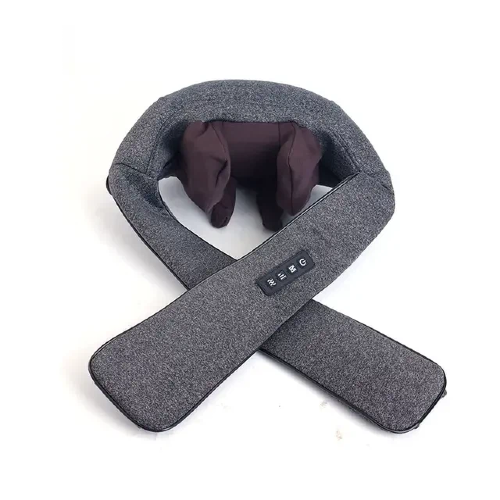
3.4 Wearable or Portable Shoulder Massager
Battery-operated, lightweight, and wearable around the neck and shoulders.
Offers hands-free use for office, home, or travel.
Usually includes multiple modes: kneading, vibration, and sometimes heat.
Comparison Table of Shoulder Massager Types
Type | Massage Method | Best For | Features |
Shiatsu Electric | Rotating nodes | Medium muscle relief | Adjustable speed/direction |
Vibration-Style | High-frequency vibration | Mild tension, relaxation | Lightweight, portable |
Heated Shoulder Massager | Heat + kneading | Chronic stiffness, cold weather | Adjustable heat, deep relaxation |
Wearable/Portable | Kneading/Vibration | Hands-free, multi-location use | Battery-powered, travel-friendly |
4. Using a Shoulder Massager for Posture Correction
A shoulder massager is not just for relieving tension—it can also play a key role in correcting posture. Regular use helps loosen muscles that contribute to slouching and forward head posture.
4.1 Recommended Frequency and Duration
Use 15–30 minutes per session, 3–5 times a week.
Adjust intensity according to comfort; avoid excessive pressure to prevent soreness.
4.2 Incorporating Stretching and Posture Exercises
Combine shoulder massage with stretches for the chest, trapezius, and rhomboid muscles.
Perform exercises to strengthen postural muscles (e.g., shoulder blade squeezes).
4.3 Proper Positioning
Position the massager so the nodes align with the tightest shoulder and neck areas.
For wearable models, adjust straps to ensure even pressure and prevent slipping.
4.4 Precautions
Avoid overusing the device or applying excessive pressure.
Stop use if discomfort increases or unusual pain occurs.
Consult a healthcare professional if chronic posture problems persist.
5. Using a Shoulder Massager to Relieve Tension Headaches
Tension headaches often originate from chronic shoulder and neck muscle tightness. A shoulder massager can provide effective relief.
5.1 Understanding Tension Headaches
Caused by prolonged muscle contraction in the neck and shoulders.
May result from stress, poor posture, or repetitive activities.
5.2 Techniques for Headache Relief
Start with low-intensity kneading or vibration.
Focus on tight areas around the base of the neck and upper shoulders.
Apply heat therapy if available for deeper relaxation.
5.3 Recommended Duration and Sequence
10–20 minutes per session, once or twice daily.
Alternate between gentle kneading and vibration for optimal relief.
5.4 Additional Benefits
Improves blood circulation to the head and neck, reducing the frequency of headaches.
Promotes relaxation and stress reduction, which can prevent future tension headaches.
6. Additional Tips for Maximizing Benefits
6.1 Improve Daily Posture
Maintain an ergonomic desk setup with proper chair height and monitor placement.
Avoid slouching and hunching during long hours of work.
6.2 Incorporate Movement Breaks
Take short breaks every 30–60 minutes to stretch and move the shoulders and neck.
6.3 Consistent Use of a Shoulder Massager
Regular massage sessions help maintain flexibility and prevent muscle tightness.
Combine with lifestyle adjustments such as proper hydration, sleep, and stress management.
6.4 Safety and Comfort
Always listen to your body; discontinue use if discomfort occurs.
Adjust intensity settings according to personal comfort levels.
7. Shoulder Massager vs. Other Massage Tools
When it comes to muscle relaxation and pain relief, there are several types of massage tools available, each designed for different purposes. Understanding how a shoulder massager compares with other options can help you choose the best device for your specific needs.
Device Type | Depth of Massage | Ease of Use | Best Use Case |
Shoulder Massager | Medium | Hands-free, easy | Daily relaxation, posture correction |
Massage Gun | Deep | Handheld, adjustable | Post-workout recovery, deep muscle knots |
Foam Roller | Medium to deep | Manual, requires effort | Large muscle groups, self-myofascial release |
Handheld Vibrating Massager | Shallow to medium | Portable | Mild tension, stress relief |
A shoulder massager offers the perfect balance between effectiveness and convenience. Unlike a massage gun, which requires manual operation and focuses on deep tissue recovery, a shoulder massager provides hands-free comfort and moderate intensity suitable for everyday use. It targets the neck, shoulders, and upper back—areas most affected by poor posture and long working hours. Compared to foam rollers or handheld devices, shoulder massagers require minimal effort, making them ideal for relaxation, stress reduction, and posture improvement in both home and office environments.
8. Conclusion
A shoulder massager is an excellent tool for anyone seeking to improve posture, ease neck and shoulder tension, and prevent headaches caused by daily stress or long working hours. By loosening tight muscles, enhancing blood circulation, and encouraging deep relaxation, it promotes overall well-being and physical balance.
For the best results, regular use of a shoulder massager should be combined with good posture habits, ergonomic adjustments, and stress management techniques. Consistency is key to achieving lasting comfort, better body alignment, and fewer headaches.
If you’re looking for reliable, high-quality massage products designed for both comfort and effectiveness, Fujian Jingtuo Health Technology Co., Ltd. is a trusted name in the industry. With years of expertise in manufacturing professional-grade massage equipment, the company offers a wide range of innovative shoulder massagers that cater to diverse needs. Their knowledgeable team provides personalized support and can help you choose the most suitable solution for your lifestyle.
Discover how Fujian Jingtuo Health Technology Co., Ltd. can help you bring relaxation and better posture into your daily routine through their advanced massage technology and commitment to quality.


